

Celebrating Women’s History Month in Cayuga County
From Harriet Tubman to other trailblazing leaders, explore the women whose courage,
advocacy, and vision helped shape the region.
March is Women’s History Month and also National Reading Month.
Celebrate by diving into the inspiring stories of trailblazing women who shaped history including several with deep roots right here in Cayuga County. Learn more about remarkable figures like Harriet Tubman, Emily Howland, and Martha Coffin Wright whose legacies continue to inspire generations.
Stop by your local library, pick up a book, and discover the powerful stories that helped shape our community and our nation.
Across the Finger Lakes region, the legacy of these remarkable women can still be felt today. In Cayuga County especially, visitors have the opportunity to connect with their stories by exploring the historic sites, landmarks, and communities that helped shape their lives and work.
While many know the powerful story of Harriet Tubman, her legacy is just one chapter in Cayuga County’s rich history of influential women.

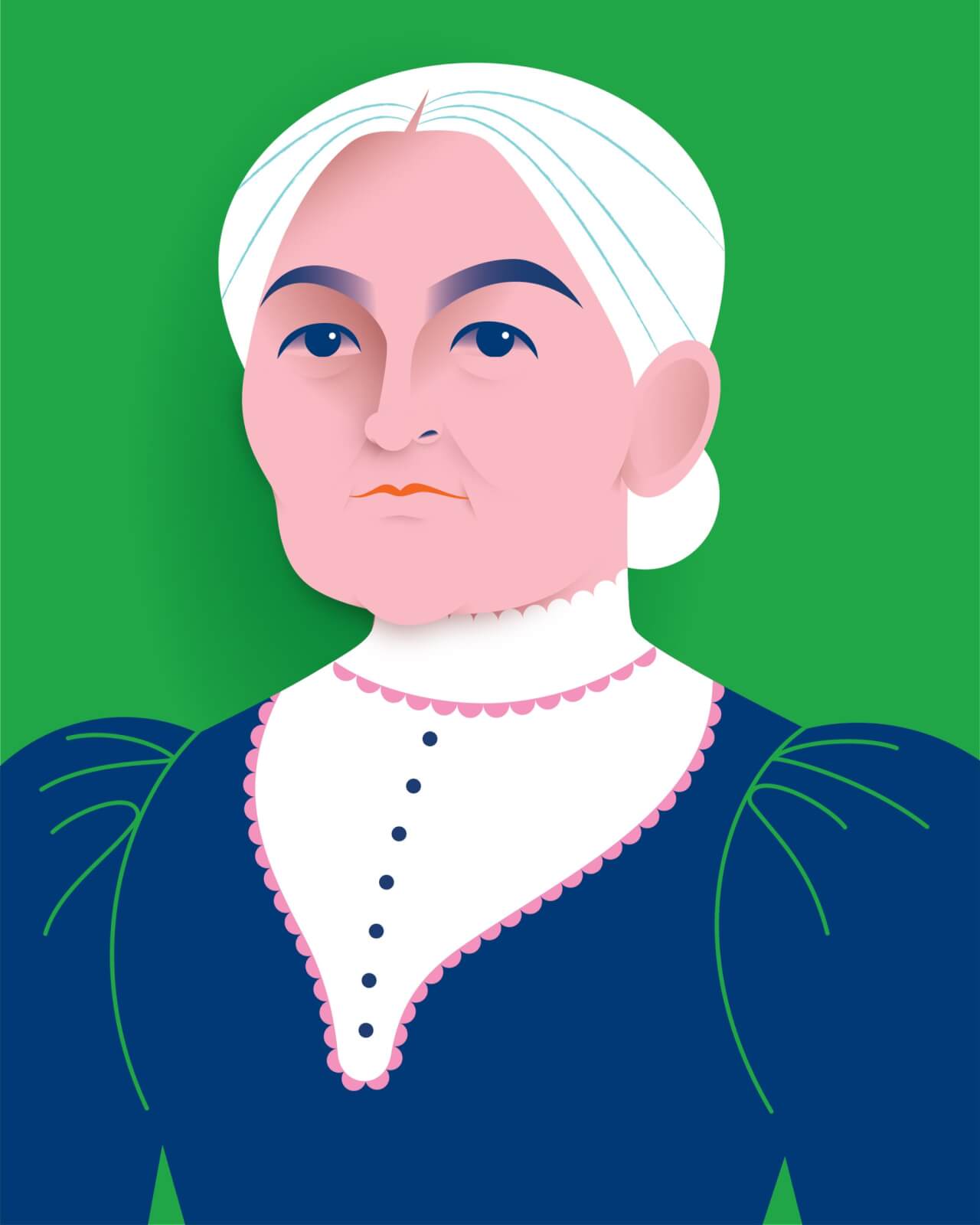
🌟 Emily Howland
Lifelong advocate for education and women’s rights
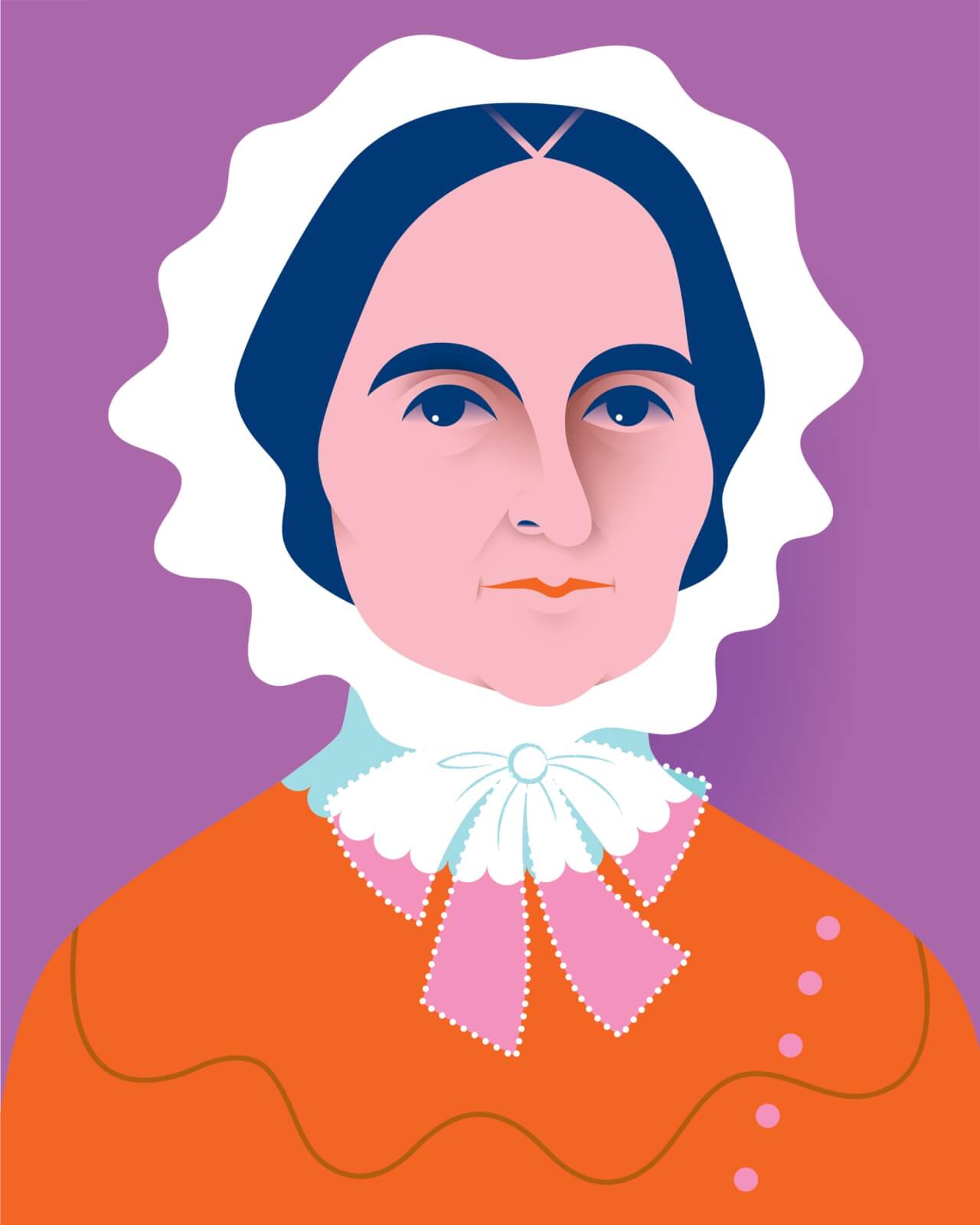
🌟 Martha Coffin Wright
Organizer of the Seneca Falls Convention and champion for equality
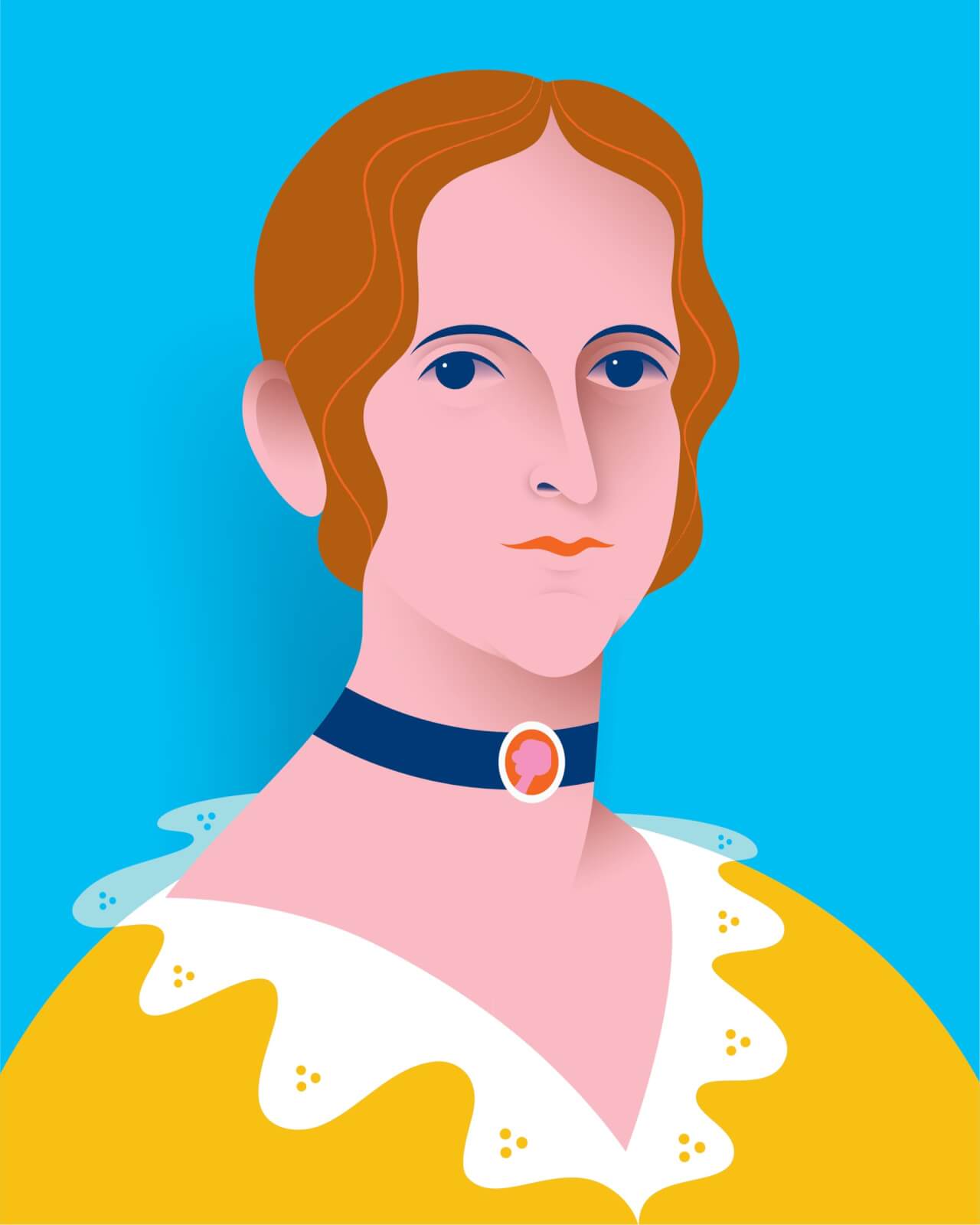
🌟 Frances Seward
Dedicated supporter of abolition and social reform
From the fight for civil rights to the pursuit of equality, their legacies continue to inspire and shape our community.
In this blog, we highlight six remarkable women whose stories continue to inspire. Along the way, we’ll also share places you can visit to learn more about their lives and the lasting impact they had on Cayuga County and beyond.
Stories of Women Being Elevated in Cayuga County

Many are familiar with Anne Frank and her survival in Europe, as told through the introspections she recounted in her diary. Visitors to Cayuga County have a unique opportunity to experience a token connected with her. On the grounds of the Southern Cayuga School District, a horse chestnut sapling was planted from the very tree that grew outside of where Anne Frank and her family hid during the Holocaust. It is one out of 11 trees that have found homes at historical sites around the country and serves as a visual reminder that all people are of equal value.
View the Southern Cayuga Anne Frank Tree Project outside of school hours or when class is not in session.
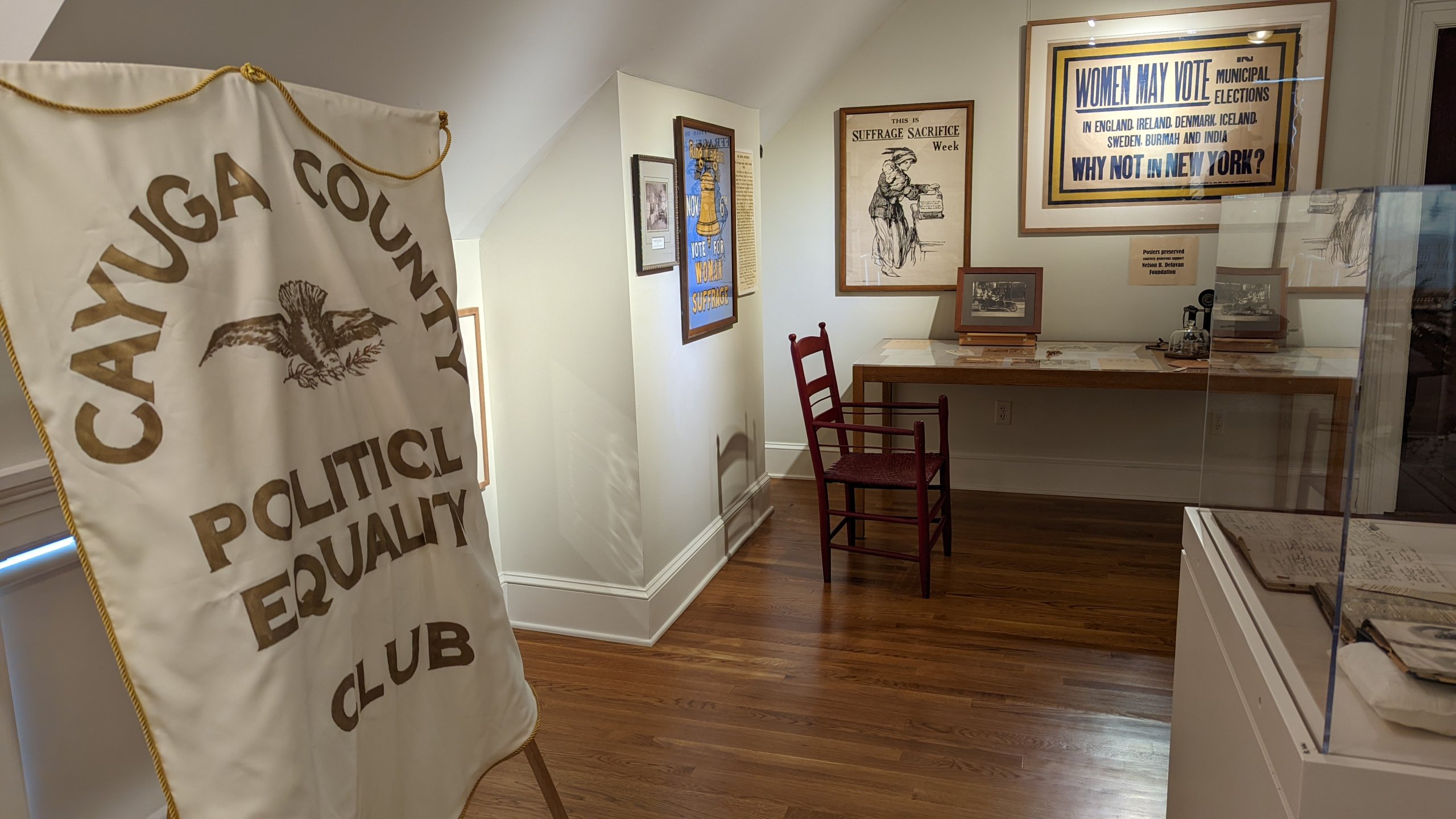
Isabel Howland came from a lineage of individuals who were dedicated to serving their community and provided safe houses on the Underground Railroad. Isabel followed in these footsteps, becoming a teacher and suffragist, and a philanthropist in her own right. She rebuilt a house and opened it to the community, fittingly naming the home “Opendore.”
Tour the fully restored Opendore property – part of the Howland Stone Store Museum – to walk in Isabel’s footsteps, as well as learn more about her legacy and life’s work.
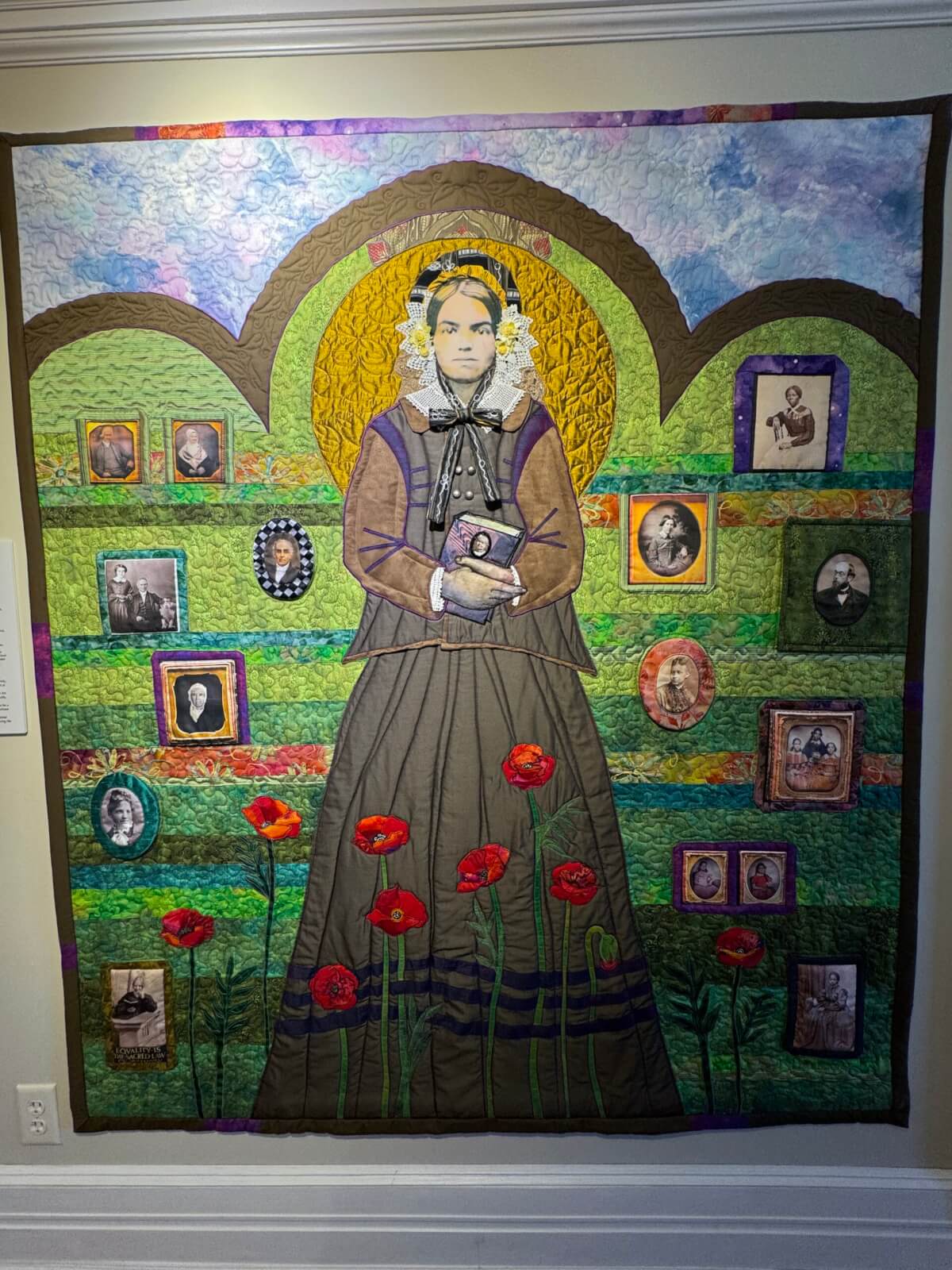
Emily Howland, Isabel’s aunt, broke barriers on numerous fronts as a woman of the 18th century. She helped pave the way for women’s rights through her tireless work as a suffragist; she was an abolitionist who encouraged the education of all Black individuals by teaching them to read and write, and by supporting schools for freed African Americans; and she further cemented her legacy by becoming the first female bank director in history.
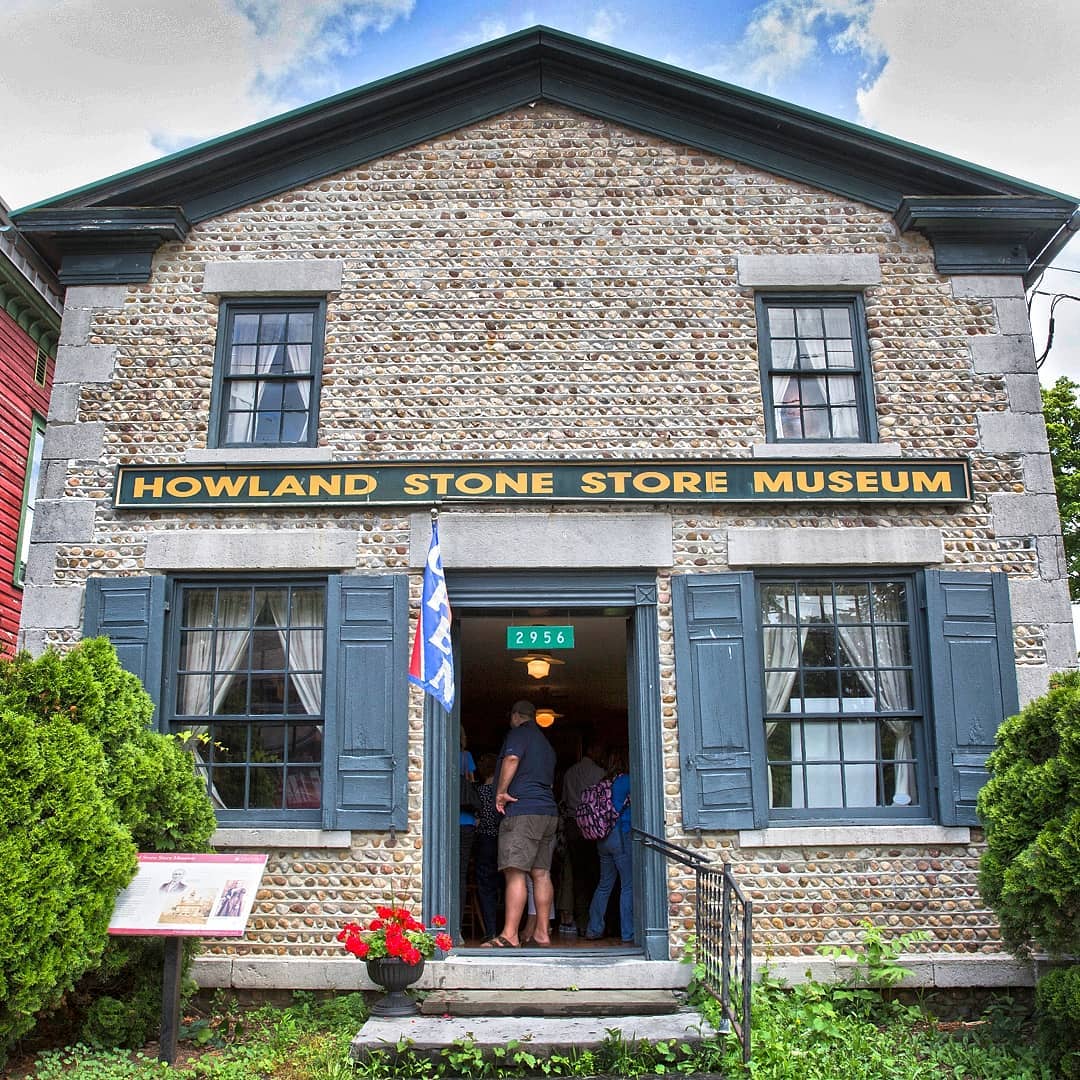
Visit the Howland Stone Store Museum – comprised of Opendore and the Slocum Howland Cobblestone Store – which displays her contributions to movements for the abolition of slavery, education and women’s rights.

Martha Coffin Wright was an avid abolitionist of slavery and leader in the women’s rights movement, opening her home as a station on the Underground Railroad and connecting with other influential figures to organize and hold conventions that would set in motion changes for women’s equality.
Pay your respects to this forward-thinking pioneer – in addition to other notable figures, including Harriet Tubman – at Fort Hill Cemetery.
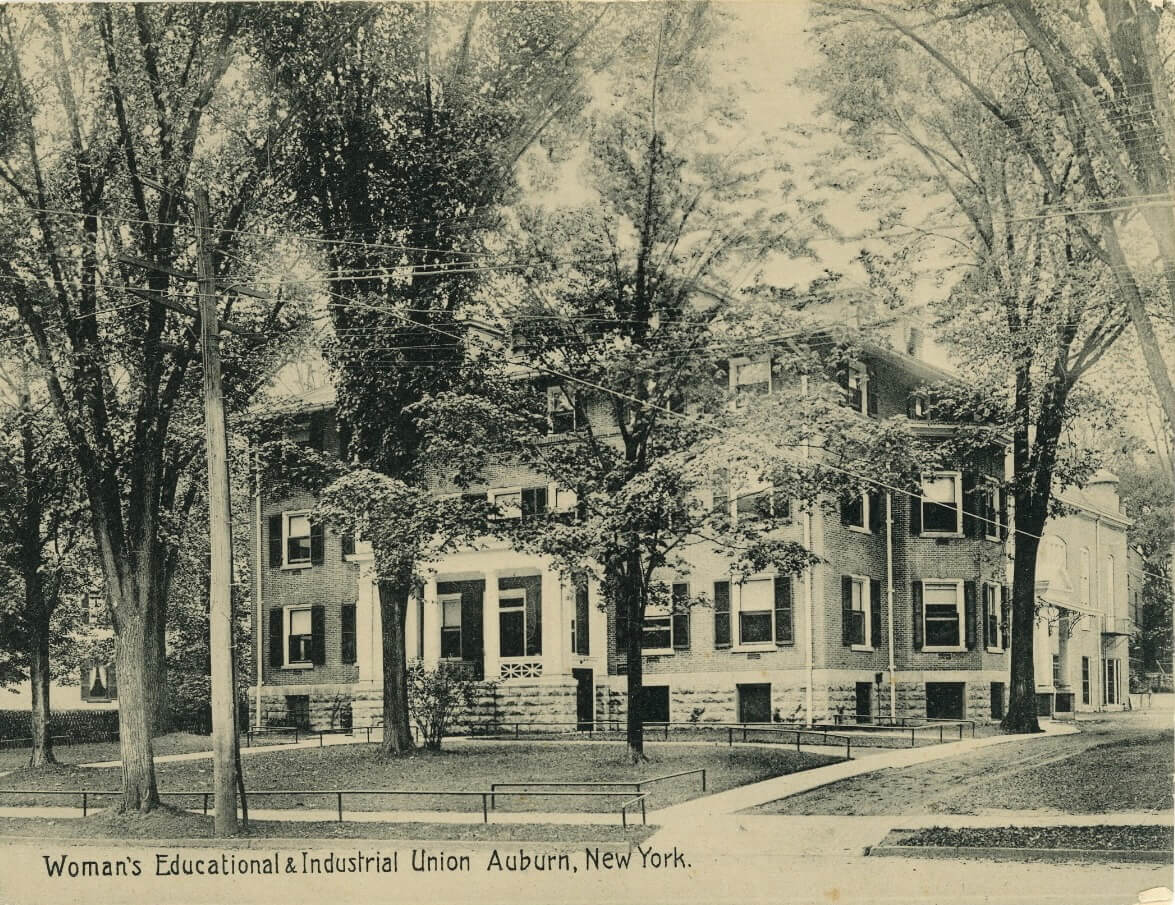
The Wright family legacy of championing protection and equality for women lived on through Martha’s daughter, Eliza Wright Osborne. Eliza was a prominent local feminist who funded the Women’s Educational and Industrial Union (WEIU), which worked to provide safe housing for garment workers.
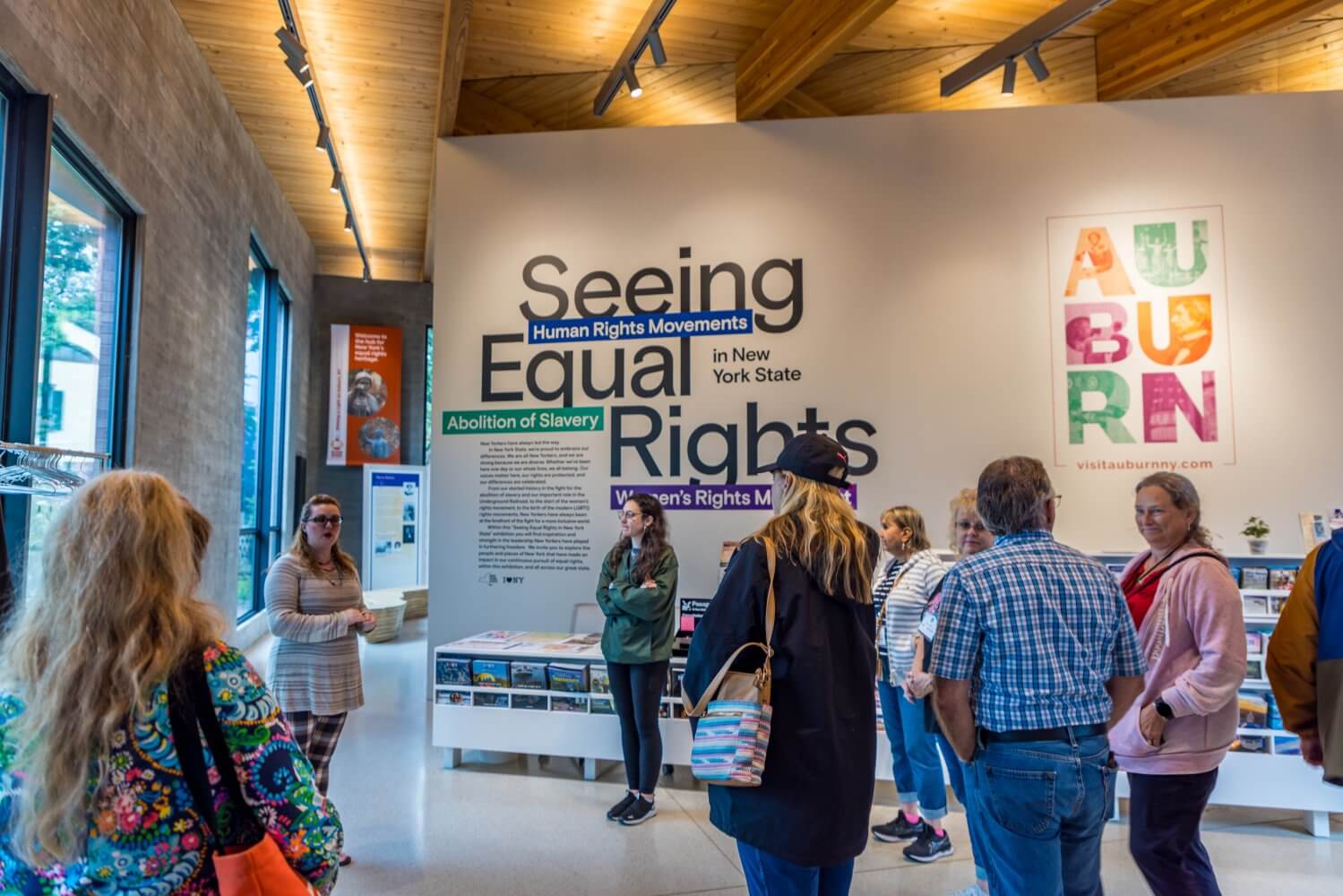
Learn more about Eliza’s family history at the Cayuga Museum of History & Art, and walk the grounds of where the WEIU once stood when you visit the New York State Equal Rights Heritage Center.
Harriet Tubman, chose Auburn in Cayuga County as her home for more than 50 years. After escaping slavery and leading countless others to freedom through the Underground Railroad, Tubman continued a life of service here, advocating for civil rights, women’s suffrage, and care for the elderly. Today, visitors can explore her legacy at the Harriet Tubman Home and the Harriet Tubman National Historical Park, where her remarkable story comes to life. Tubman’s final resting place at Fort Hill Cemetery offers a quiet place to reflect on the enduring impact of a woman whose bravery helped change the course of American history.
Learn more about Women’s History in Cayuga County and the Finger Lakes Region
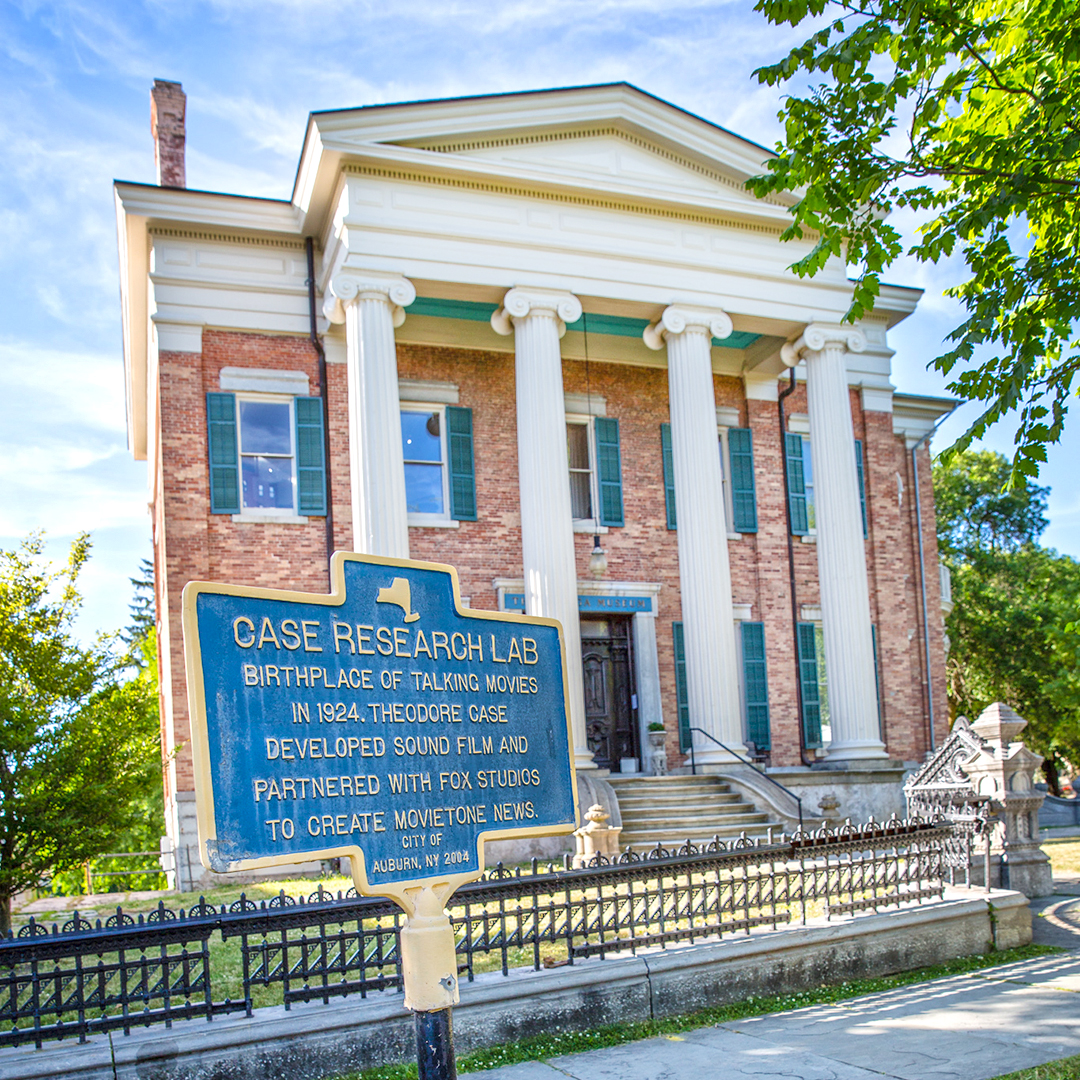
Learn more about the Brave Women of the Finger Lakes region by exploring the historic landmarks and destinations that tell their stories, while supporting the region’s modern-day businesswomen and entrepreneurs and unleashing your inner brave woman.