Where Tourism Meets Community, Stewardship Takes Shape
Noah Howard, PR Manager, Tour Cayuga
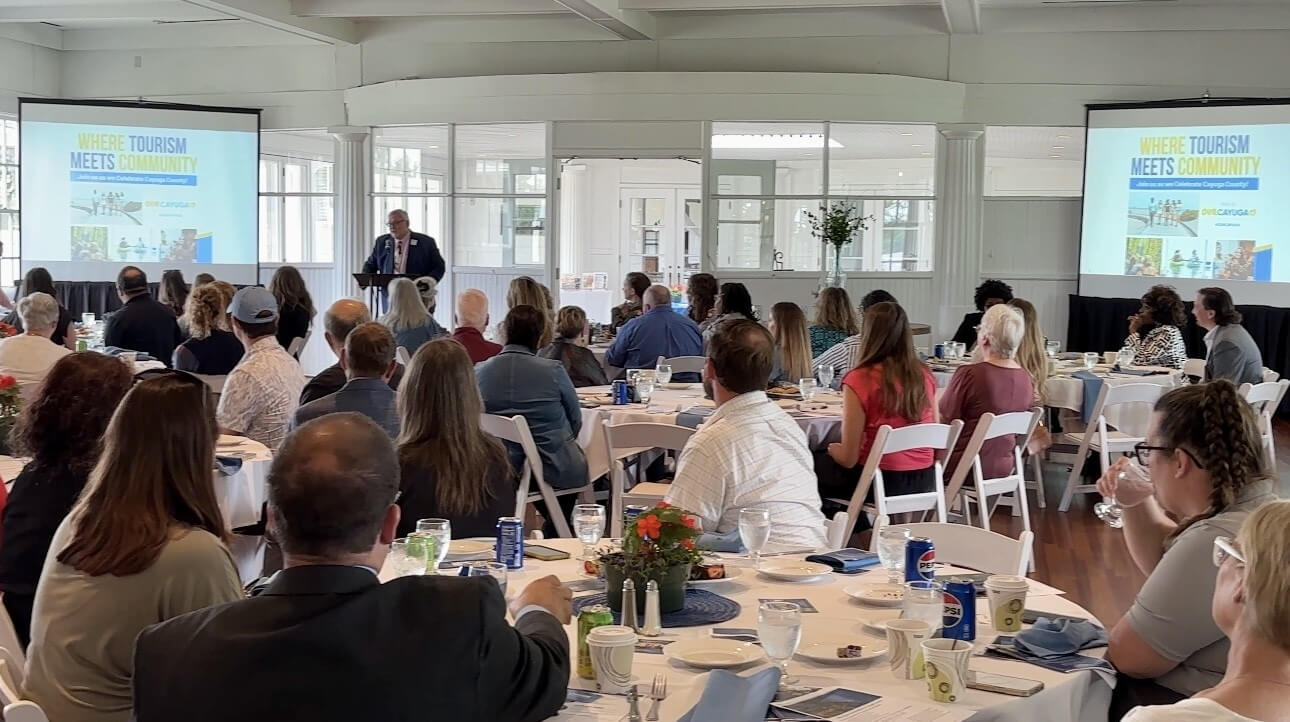
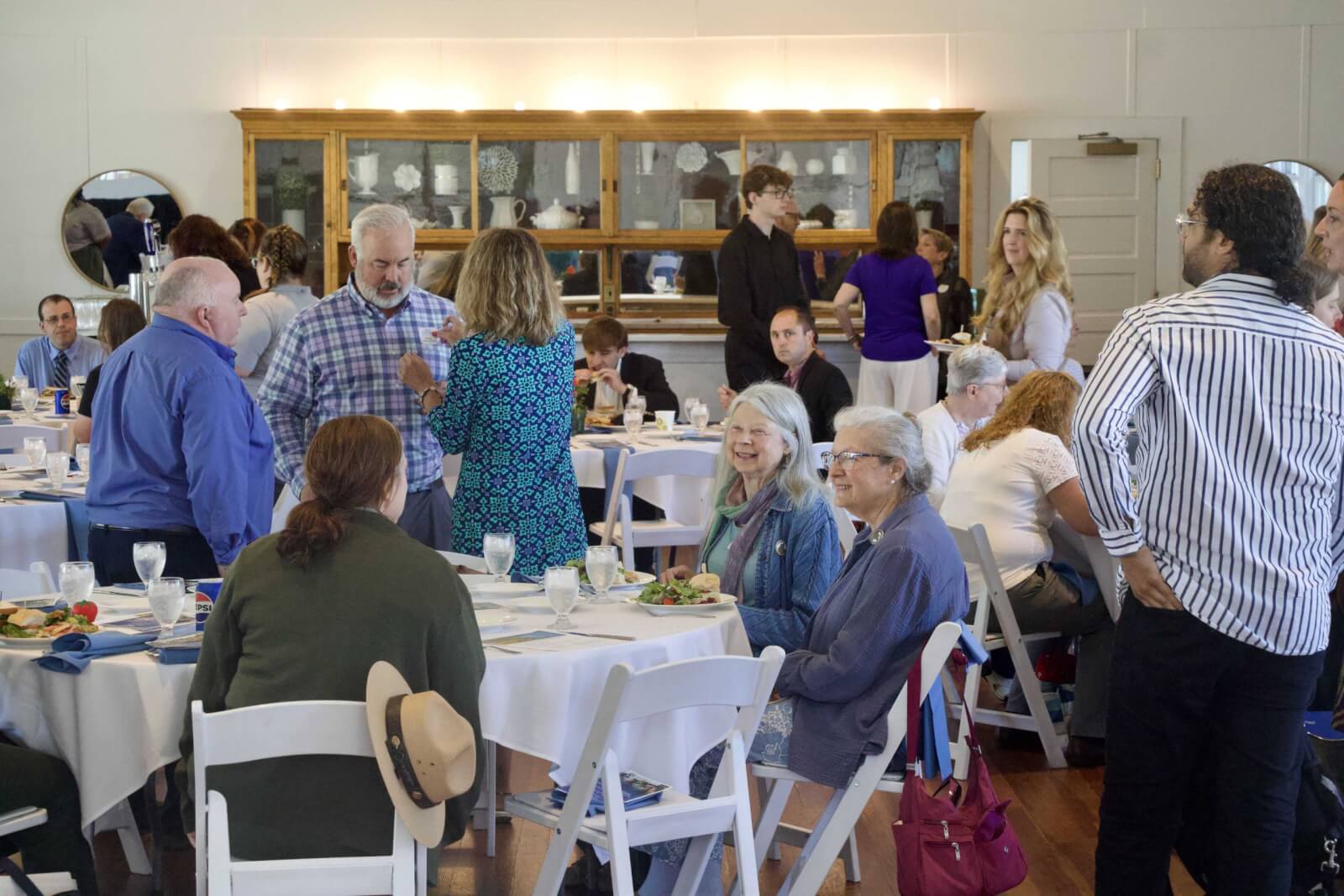
At its annual Where Tourism Meets Community luncheon, Tour Cayuga brought together tourism partners, elected officials, county leaders, business owners, nonprofit leaders, and community members for a conversation about the role tourism plays in strengthening local communities.
The message of the afternoon was clear: tourism is not only about visitors. When done well, it supports residents, local businesses, historic preservation, jobs, tax revenue, and community pride.
Bob Provost NYSTIA CEO Presentation
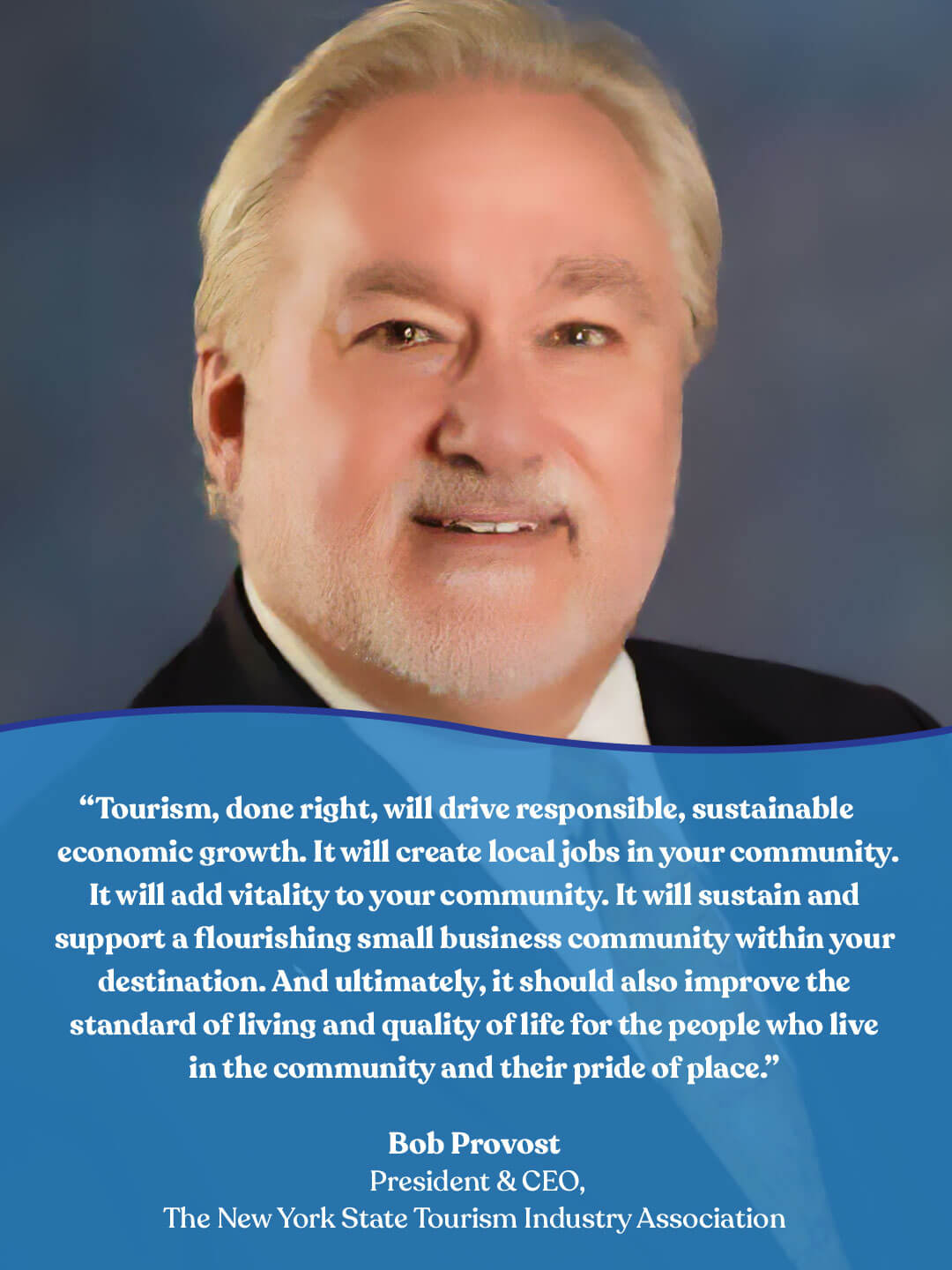
That idea was central to a presentation by Bob Provost, president and CEO of the New York State Tourism Industry Association, who framed tourism as a tool for community vitality rather than an end in itself. Provost described “tourism done right” as a form of destination stewardship, one that places residents at the center of the work.
In that view, the visitor is not the final customer. The ultimate customer is the resident. Tourism succeeds when it creates local jobs, supports small businesses and cultural institutions, strengthens tax revenues, improves quality of life, and helps communities take pride in the places they call home.
That message closely aligns with Tour Cayuga’s strategic shift to a destination stewardship organization and ongoing advocacy campaign, which seeks to help residents better understand how tourism contributes to the county’s economy and community life. The campaign is not simply about promoting attractions or encouraging visitation. It is about explaining why tourism investment matters and how those dollars circulate through the local economy.
The numbers help tell that story. According to data shared during the luncheon, visitor spending in Cayuga County reached $169 million, up 51% compared with 2019. Tourism generated $68.9 million in employment income, a 29% increase over 2019, and $9.9 million in county tax revenues, reducing the tax burden on residents by an estimated $629 per household.
Those figures are especially important because tourism’s benefits are not always immediately visible. A visitor’s weekend trip might support a hotel, restaurant, museum, winery, shop, gas station or local guide service. That spending can help sustain jobs, generate sales tax, keep downtowns active, and provide resources that support public services.
For residents, the result is a stronger local economy and a greater ability to preserve and share the places that make Cayuga County distinctive.
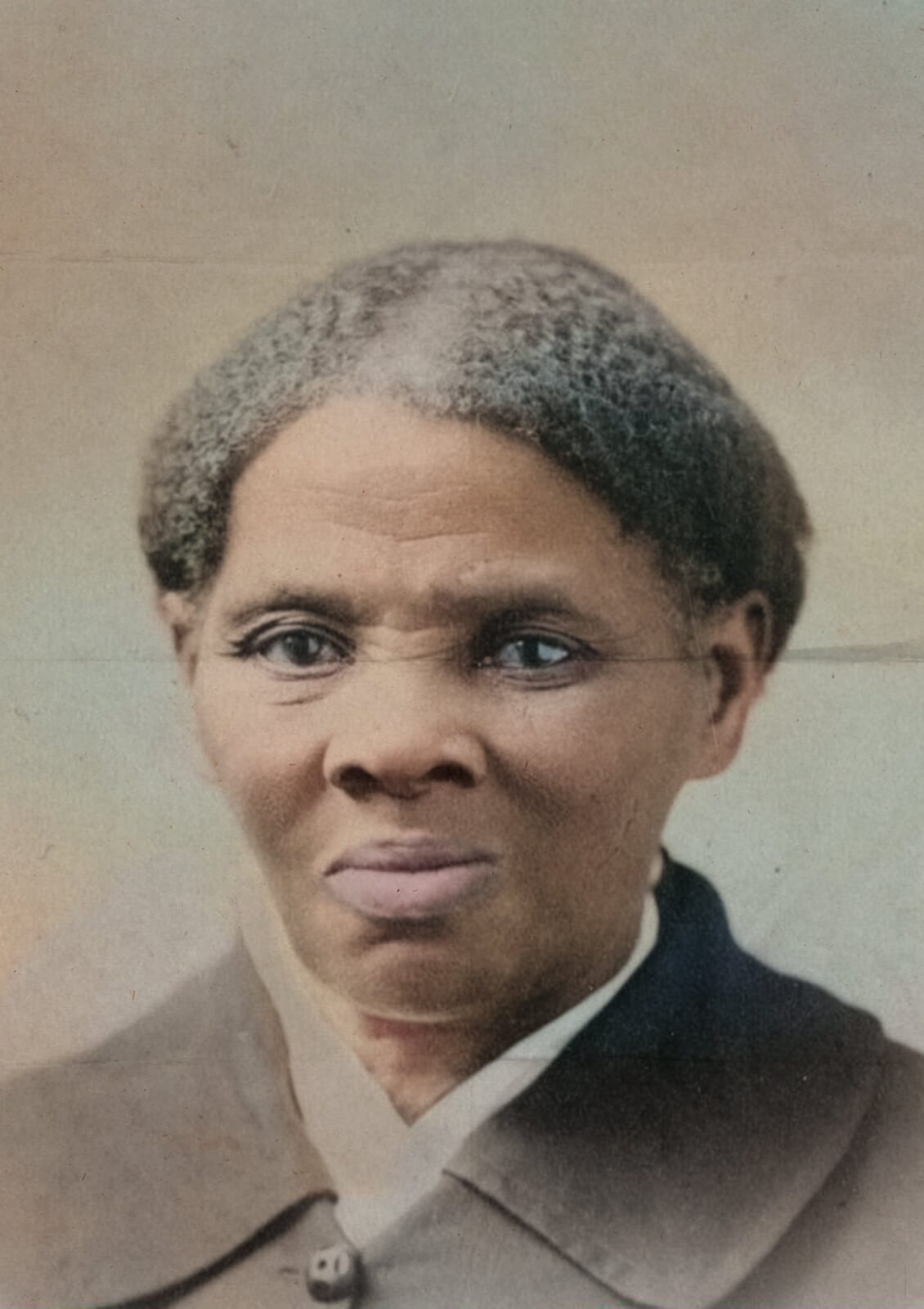
The luncheon also highlighted one of the most meaningful current examples of tourism as stewardship: the newly designated Harriet Tubman Underground Railroad Scenic Byway in New York state.
Underground Railroad Consortium of NYS
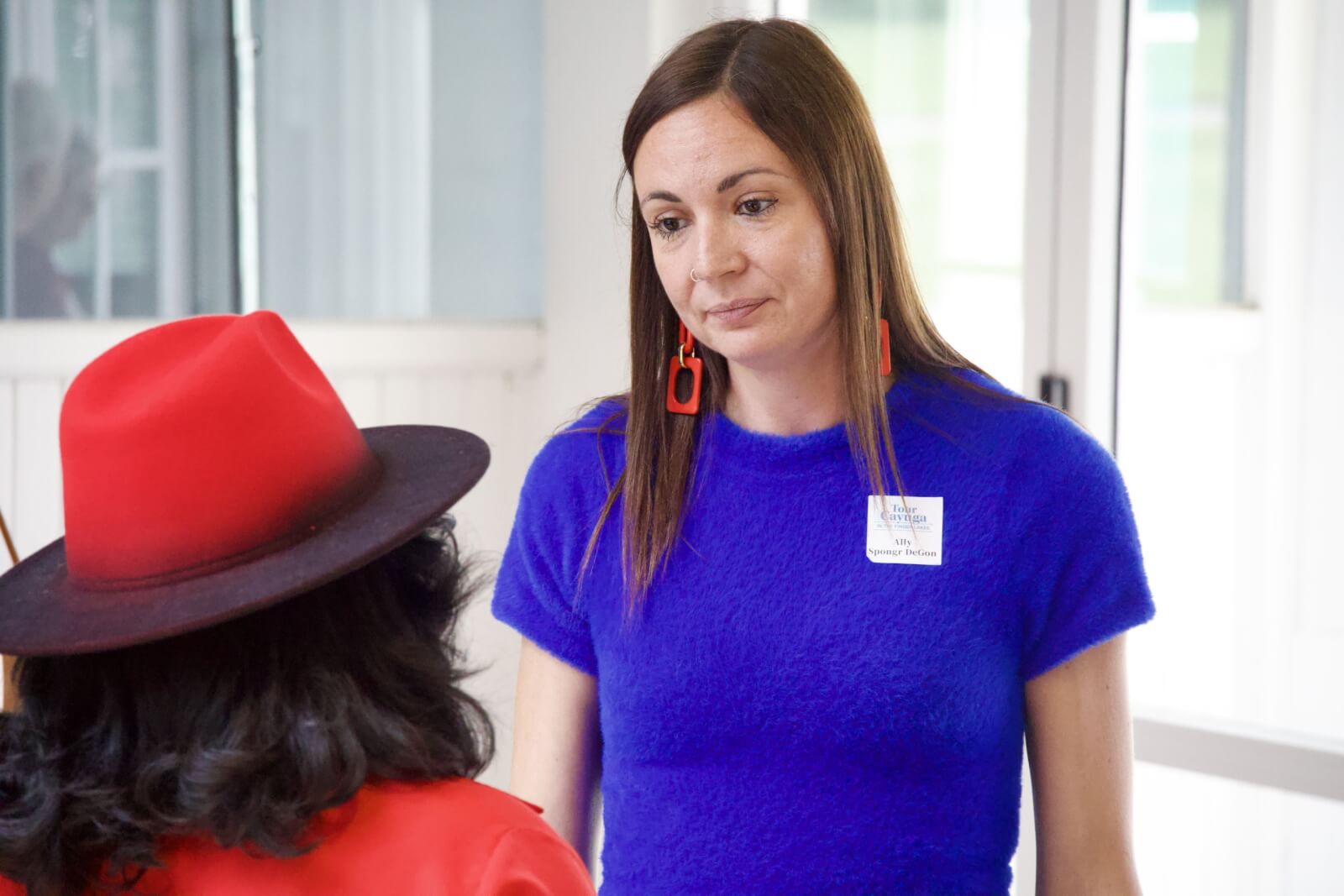
Ally Spongr DeGon, interim director of the Niagara Falls Underground Railroad Heritage Center and president of the Underground Railroad Consortium of New York State, presented on the progress of the byway and the vision behind it. DeGon has been a leading organizer in the effort to create a multi-county heritage corridor that connects communities, historic sites, and stories related to Harriet Tubman, freedom seekers and the Underground Railroad across New York.
The first phase of the byway, recently approved by the New York State Legislature and designated as part of the state scenic byway system, runs more than 170 miles from Auburn to Niagara Falls. It honors Harriet Tubman and the freedom seekers who moved through New York on their journeys toward self-liberation, including those who crossed the international border into Canada.
For Auburn and Cayuga County, the byway begins in a place of deep national importance. Tubman made her home in Auburn, cared for family and community here, supported formerly enslaved people and continued her work as an advocate for freedom, equality, and justice. The byway helps place Auburn’s Tubman story within a larger geographic and historical context, connecting it to Rochester, Buffalo, Niagara Falls and, eventually, a larger border-to-border route.
The long-term goal is a 550-mile corridor across New York that could connect with similar byways in New Jersey, Pennsylvania, Delaware, and Maryland. Together, these routes would follow the geography of Tubman’s life, from her birthplace in Dorchester County, Maryland, through the states and communities connected to the Underground Railroad, to the refuge of freedom in Canada.
DeGon’s presentation emphasized that the byway is not simply a driving route. Its vision is educational, preservation-focused and community-centered. It is intended to elevate authentic stories of Harriet Tubman, freedom seekers and the people who supported them, while also encouraging visitors to engage with history in a thoughtful and responsible way.
The interpretive themes of the byway are rooted in freedom, family, faith, and community. Tubman’s work was not carried out alone. It depended on networks of people, Black and white, free and enslaved, rich and poor, religious, and nonreligious, who provided food, shelter, medical care, secrecy, and protection. The byway also carries broader themes of equality, justice, and self-determination.
That makes the project a strong example of how tourism can serve both visitors and residents. It creates opportunities for heritage travel, local business growth, hotel stays, restaurant visits, and new entrepreneurship, while also asking communities to steward their own history.
The byway effort has already required broad collaboration, including historians, descendants, local governments, community organizations, and tourism partners. Cayuga County and the City of Auburn have adopted resolutions supporting the byway, and additional municipal support is being sought as future phases move forward.
In Conclusion
This is where the themes of the luncheon came together most clearly. Tourism, advocacy and heritage preservation are not separate conversations. They are connected parts of the same efforts.
Tourism can bring people to Cayuga County, but its larger purpose is to help sustain the places, stories, and communities that residents value. Advocacy helps explain why that work deserves continued support. The Harriet Tubman Underground Railroad Scenic Byway shows what is possible when tourism is guided by vision, history, and community stewardship.
At its best, tourism does more than invite people to visit. It helps communities understand what they have, why it matters and how to preserve it for the future.