International Underground Railroad Month
A History That Lives Here
By Noah Howard, with a contribution from Brittany Lane, Lead Park Ranger, Harriet Tubman National Historical Park
September is International Underground Railroad Month, but in Cayuga County, the history it commemorates is not distant. Auburn and Southern Cayuga County became important centers of abolition and equal-rights activism within a broader Central New York landscape where the movements opposing enslavement and for women’s rights often intersected.
Long before Harriet Tubman made Auburn her home, a free Black community, Quaker abolitionists, and other reformers had helped establish Underground Railroad networks across the region. By 1838, members of Auburn’s African Methodist Episcopal Zion congregation were already active in that work.
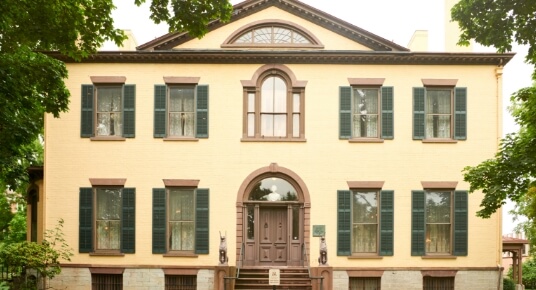
Among Auburn’s best-known abolitionist families were William H. and Frances Miller Seward. William would become a United States senator and secretary of state under President Abraham Lincoln. Frances was an abolitionist and equal-rights advocate in her own right, and the Seward home offered food, shelter, and assistance to freedom seekers. She became a friend and ally to Tubman, helping welcome her to Auburn and, in 1859, selling her seven acres of land just outside the city, giving Tubman a place to establish a home for herself and her family.

In Sherwood, the Quaker Howland family was part of another important branch of this network. Slocum Howland, who built the Howland Stone Store in 1837, used his business and shipping connections to assist freedom seekers moving north. His daughter Emily Howland carried the family’s commitment to equality into education and reform, teaching African Americans and supporting schools for those formerly enslaved.
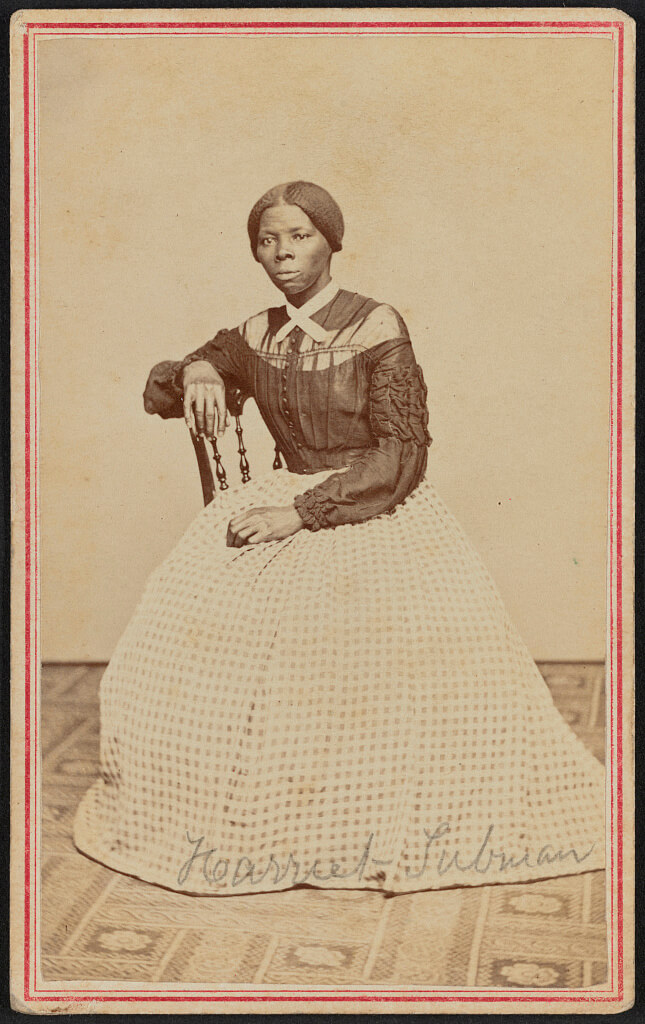
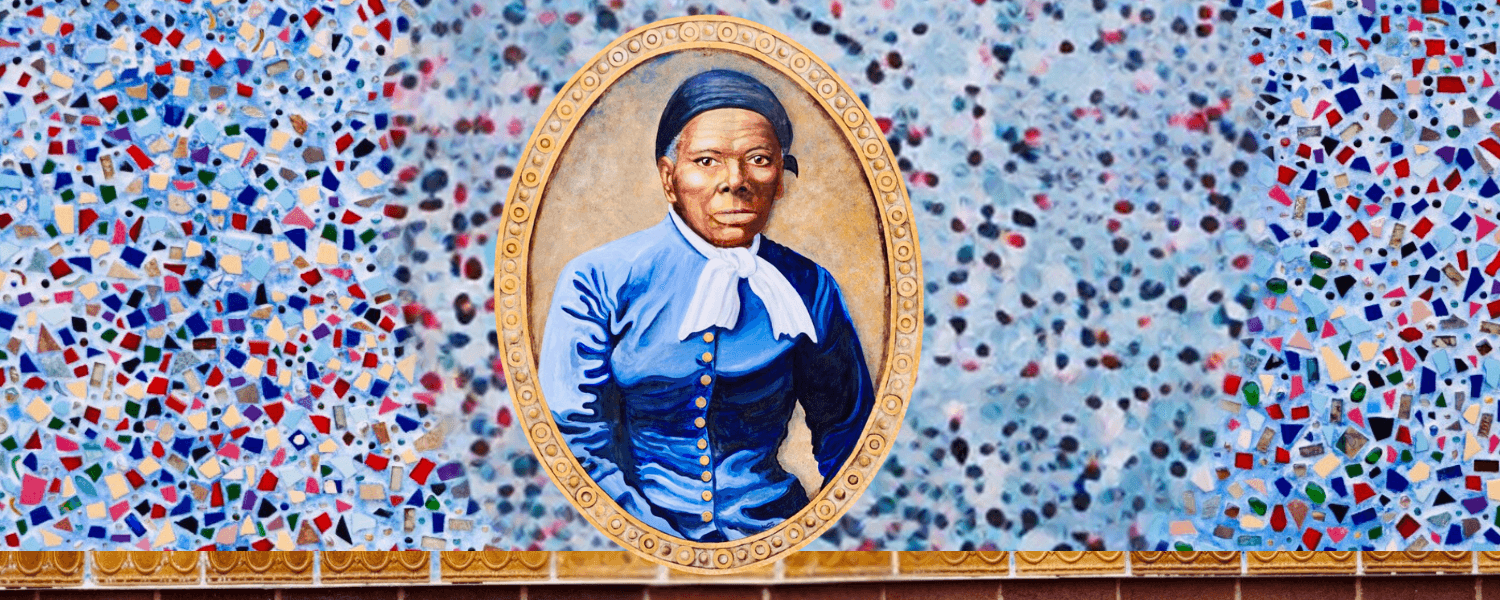
One of the most tangible connections between Emily Howland and Harriet Tubman survives in a photograph album once owned by Howland. Inside was a previously unrecorded portrait of Tubman taken in Auburn in the late 1860s, showing her as a woman in her forties rather than the elderly figure familiar from many later photographs.
The album was jointly acquired in 2017 by the Smithsonian’s National Museum of African American History and Culture and the Library of Congress for preservation and public access.
Visitors can explore the Howland family’s remarkable contributions to abolition, education, and equal rights at the Howland Stone Store and Opendore museums in Sherwood.
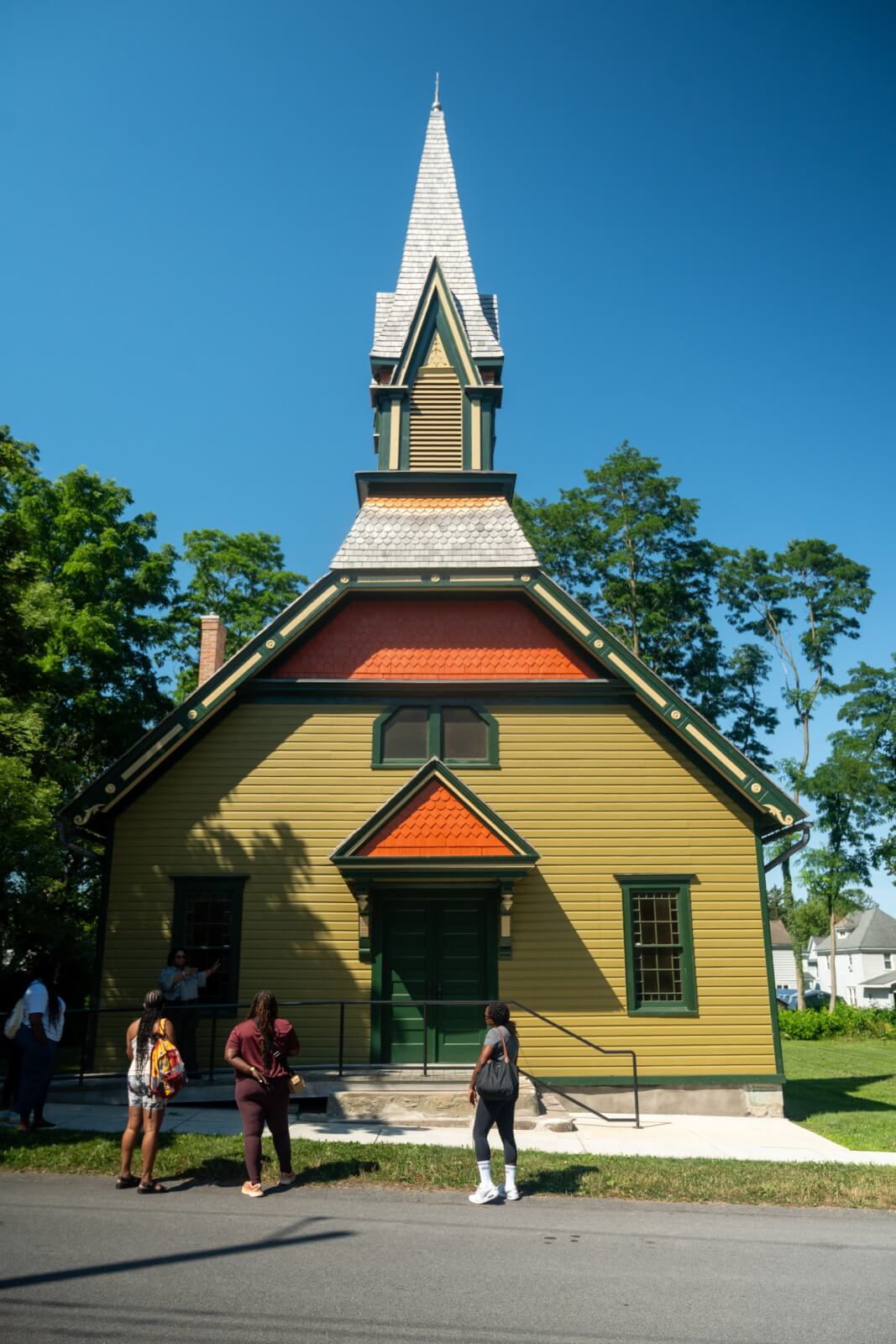
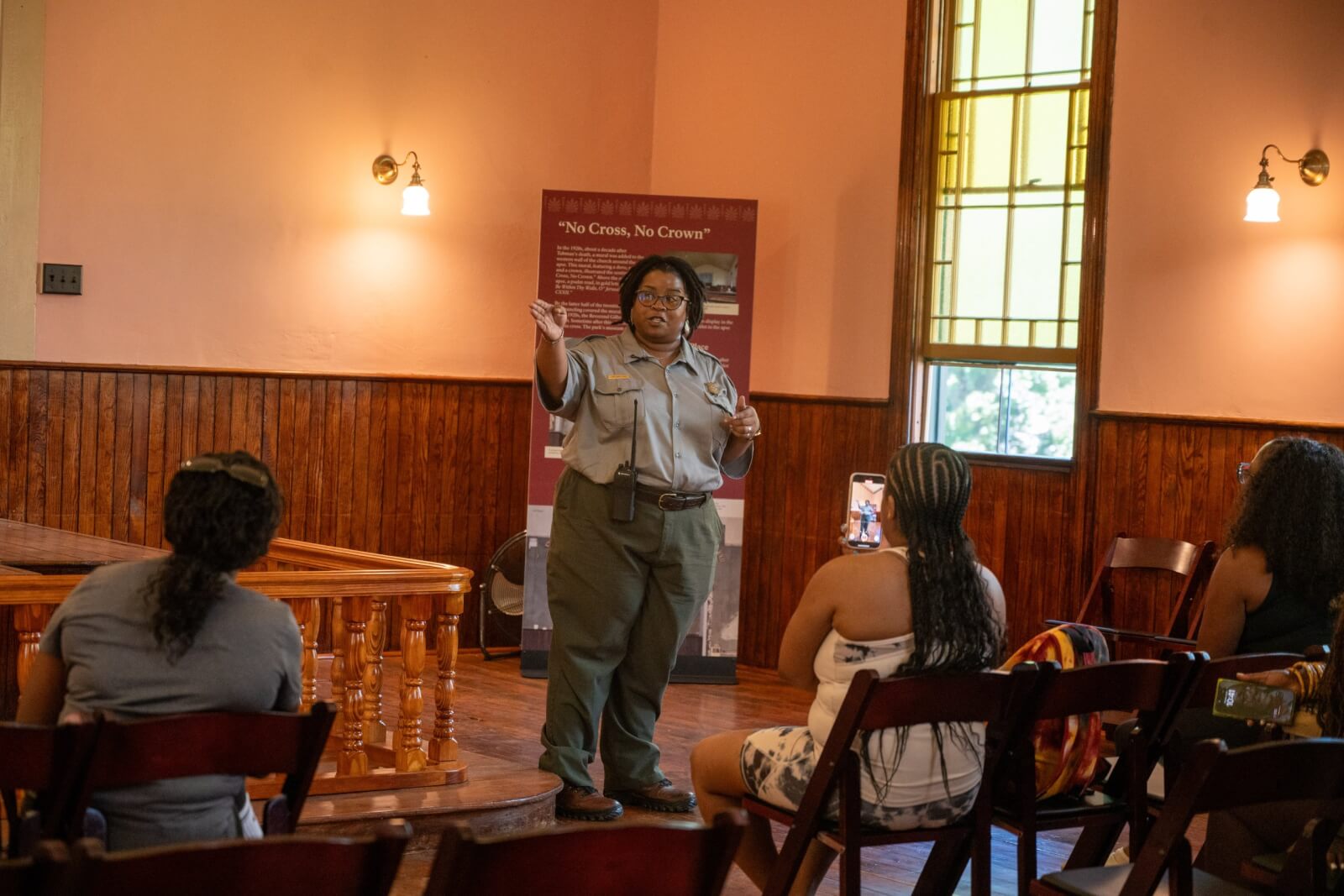
Tubman’s own Cayuga County story can be experienced at Harriet Tubman National Historical Park and the Harriet Tubman Home, where places associated with her life in freedom remain part of the landscape. She lived in the Auburn area from 1859 until her death in 1913, caring for family and others in need, worshipping at Thompson Memorial A.M.E. Zion Church, and continuing her work for freedom and equality.
But why does September hold such particular meaning in Tubman’s story? For a closer look at the journey at the heart of this observance, I asked Harriet Tubman National Historical Park to contribute to this column.
Lead Park Ranger Brittany Lane shared the following account:

International Underground Railroad Month was designated in September due to the self-emancipation journeys of both Frederick Douglass on September 3, 1838, and Harriet Tubman on September 17, 1849. It was on September 17, 1849, that Harriet Tubman and her two brothers, Ben and Henry, fled from the Brodess plantation on the Eastern Shore of Maryland.
Tubman and her family knew that it was a prime time to seek their freedom due to the recent death of their enslaver, Edward Brodess. Brodess had outstanding debts, and Tubman witnessed enslaved individuals being sold to settle those debts and may have heard about her own impending sale. It was at that moment that Tubman decided to set out on a journey to self-liberation.
After Tubman and her brothers’ September 17 escape, it took over two weeks for an advertisement for their capture to be posted. This was mainly due to them frequently being hired out to work on neighboring plantations, and it took longer for enslavers to recognize that they had escaped the plantation.
This journey to freedom was not without fear, as Tubman and her brothers disagreed upon directions and grew fearful of being captured and, as a result, turned back.
In Tubman’s second attempt, which was sometime after October 3, 1849, she fled alone to head towards freedom. It was after her years as an Underground Railroad Conductor that she famously stated,
“I was the conductor of the Underground Railroad for eight years, and I can say what most conductors can’t say — I never ran my train off the track, and I never lost a passenger.”
May the world never forget the dangerous roads to freedom that she travelled.
Remembering, Interpreting, and Gathering Today
More than 175 years later, Cayuga County continues to find new ways to interpret the life that journey made possible.
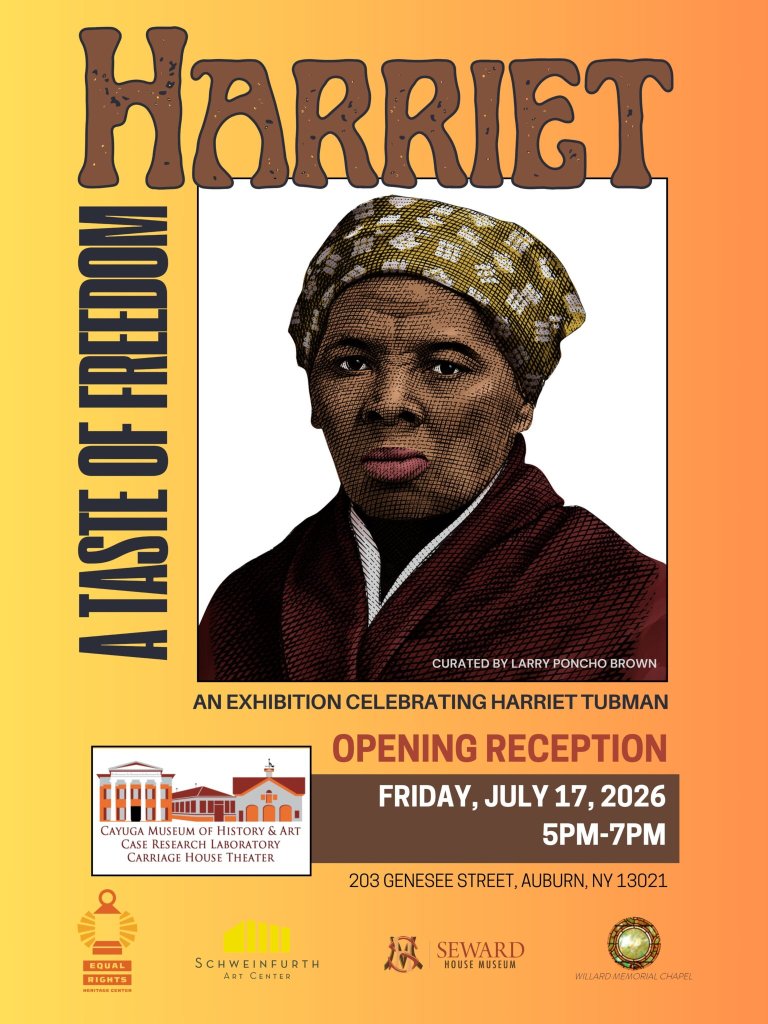
This summer, Harriet: A Taste of Freedom brings together more than 40 artists and more than 50 works exploring Tubman’s life and legacy. Curated by Baltimore artist Larry Poncho Brown, the exhibition first appeared in Cambridge, Maryland, before coming to Auburn, Tubman’s chosen home. Through October 17, works can be seen at the Cayuga Museum of History & Art, Schweinfurth Art Center, NYS Equal Rights Heritage Center, Seward House Museum, and Willard Memorial Chapel.
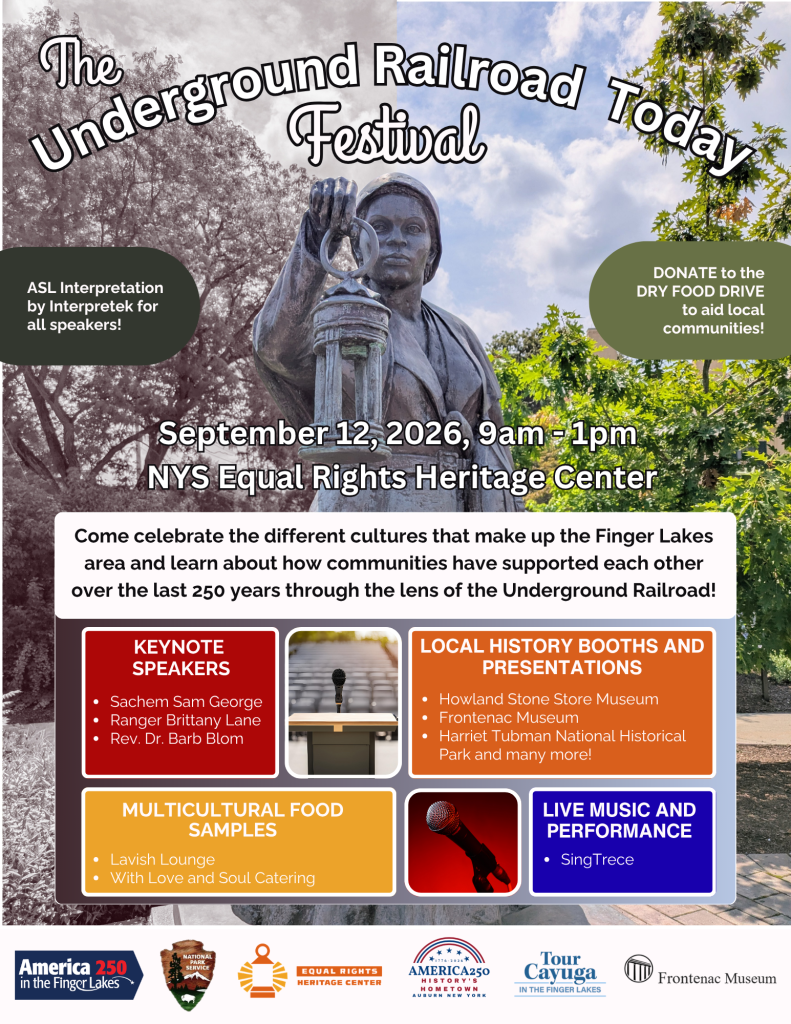
September 12 will bring two additional opportunities to engage with this history. The Underground Railroad Today Festival will take place from 9 a.m. to 1 p.m. at the NYS Equal Rights Heritage Center, bringing together speakers, local history, music, cultural presentations, and community programming.
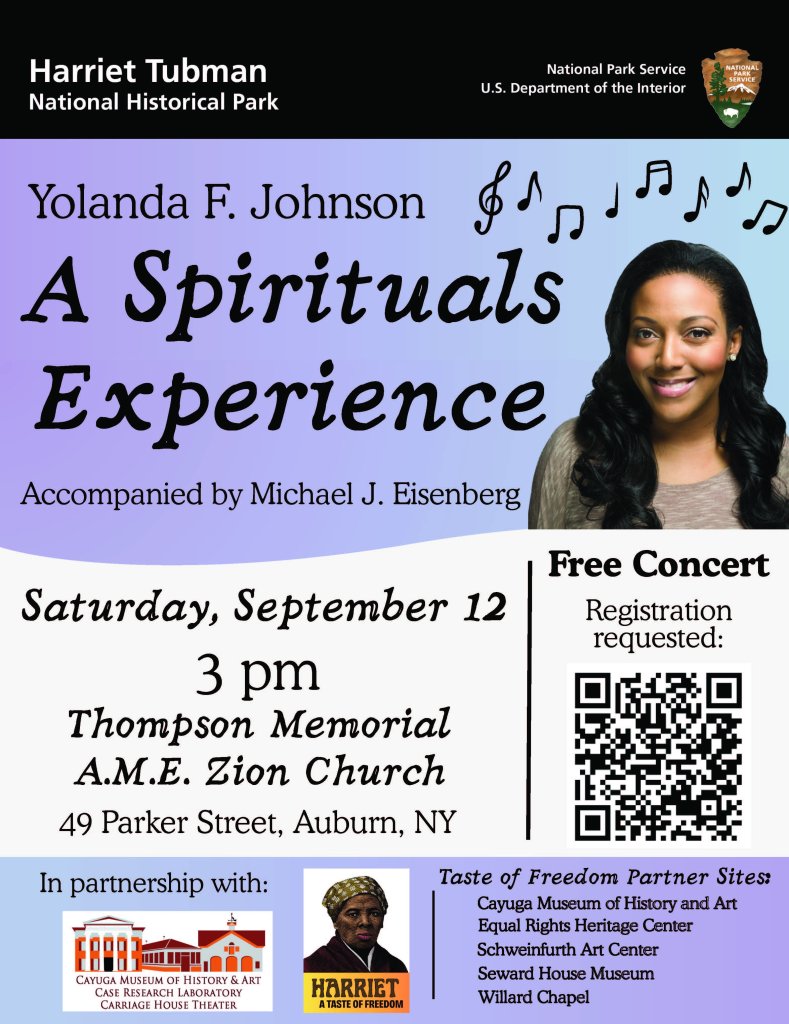
Later that afternoon, Harriet Tubman National Historical Park and the Cayuga Museum will co-host A Spirituals Experience at Thompson Memorial A.M.E. Zion Church. Soprano Yolanda F. Johnson, accompanied by pianist Michael Eisenberg, will explore the history and meaning carried through African American spirituals. The program is free, but advance registration is required because seating is limited.
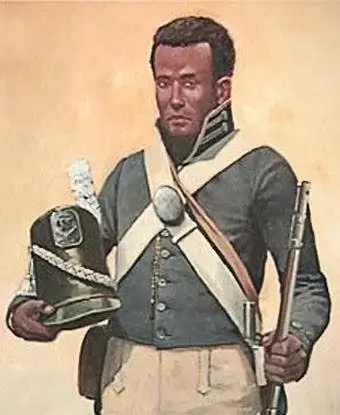
Later in the month, the story returns to Sherwood. On September 27, the Howland Stone Store Museum will host Auburn historian Anthony Gero for a presentation on Black New Yorkers in the War of 1812, continuing the museum’s exploration of Black history at a place already deeply connected to Cayuga County’s equal-rights story.
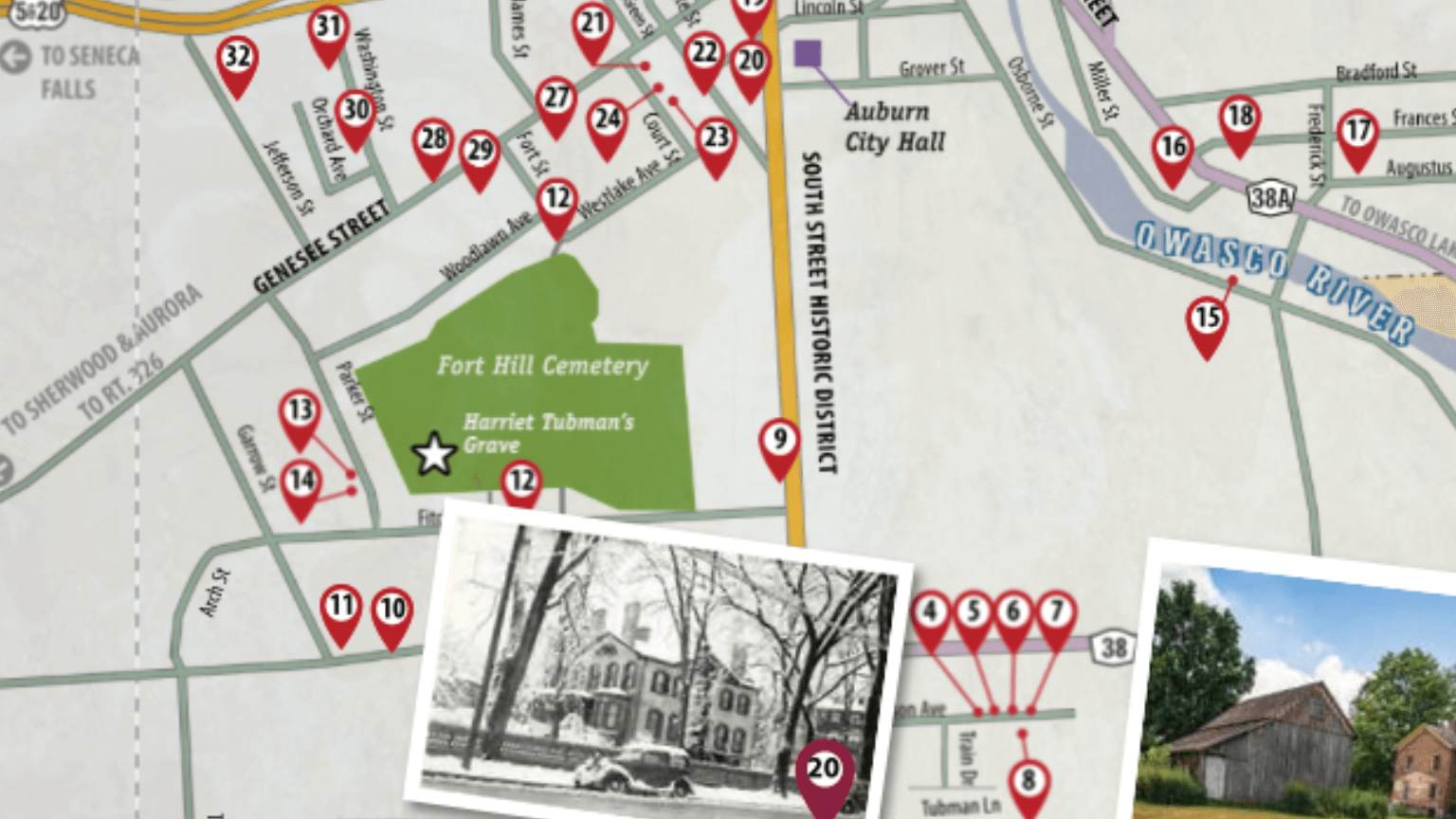
This year also brings a new way to connect these stories across New York. The newly designated Harriet Tubman Underground Railroad Byway begins in Auburn and travels nearly 177 miles toward Niagara Falls, linking 22 places associated with Tubman, freedom seekers, and the Underground Railroad.
International Underground Railroad Month asks us to remember journeys that required extraordinary courage. In Cayuga County, remembrance can also be rooted in place: in homes, churches, museums, art, and landscapes where this history remains close enough to encounter. The opportunity is not only to look back, but to better understand how the pursuit of freedom shaped our community and continues to shape the way its story is told today.
Continue Exploring
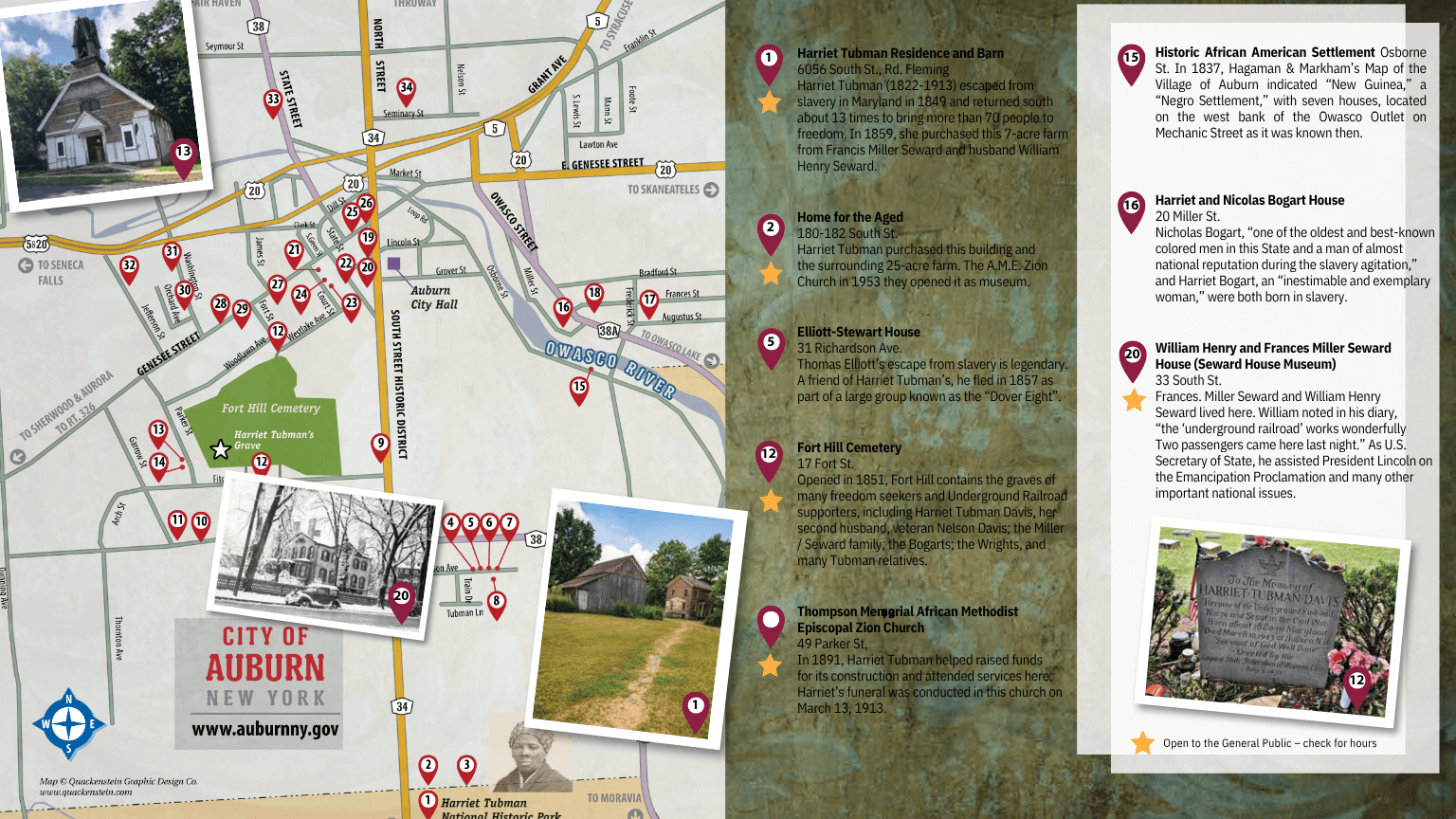
Over 100 Underground Railroad sites have been identified in Cayuga County. Today, you can still see some of the churches and meeting houses in Cayuga County that were stations on the Underground Railroad. For a self-guided way to experience more of this history around Cayuga County, Tour Cayuga offers free Underground Railroad resources such as maps and a mobile app.
Take the story with you! Download our Harriet Tubman’s Underground Railroad Tour app for a deeper, on-the-go experience. search the app name in your favorite App Store, or visit htlc.stqry.app
.